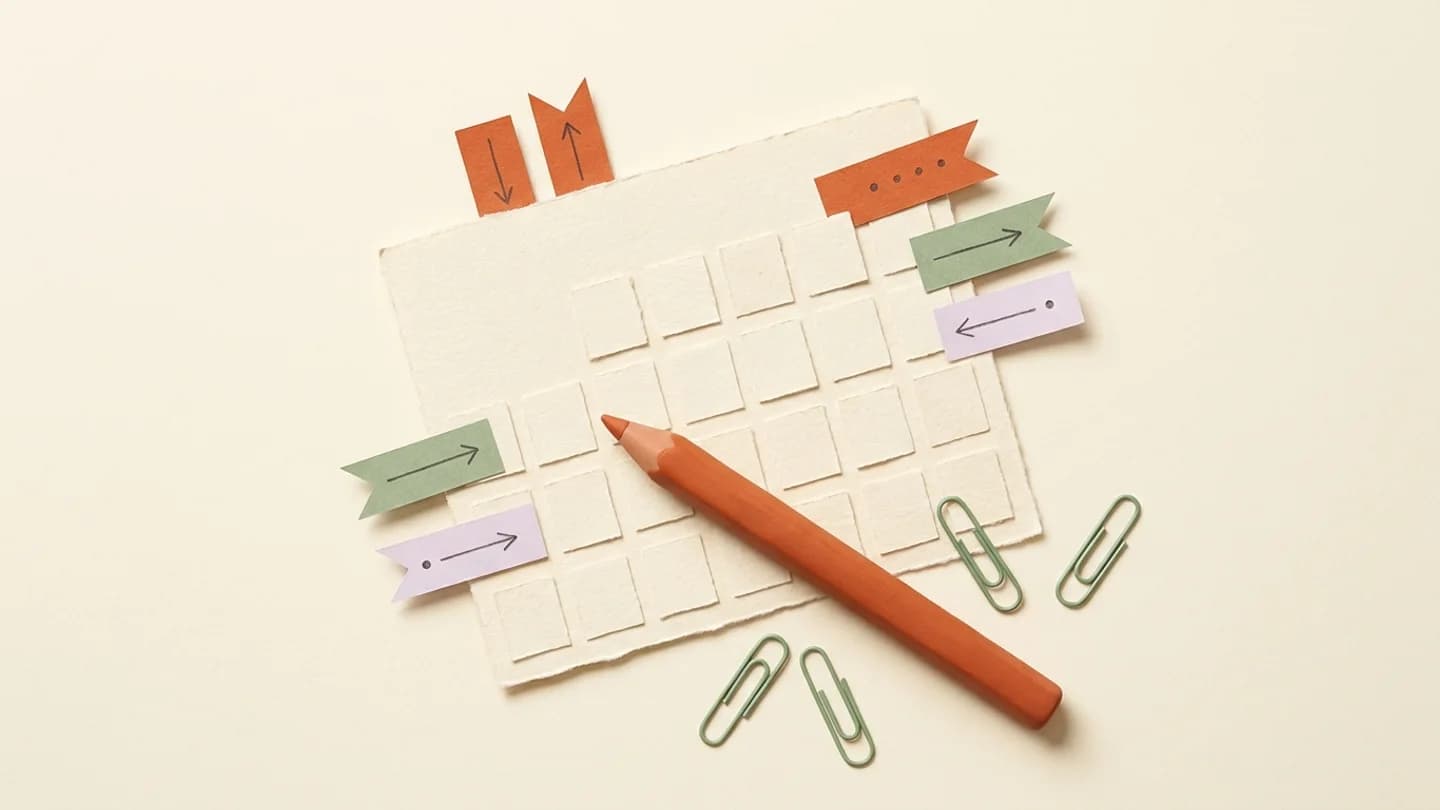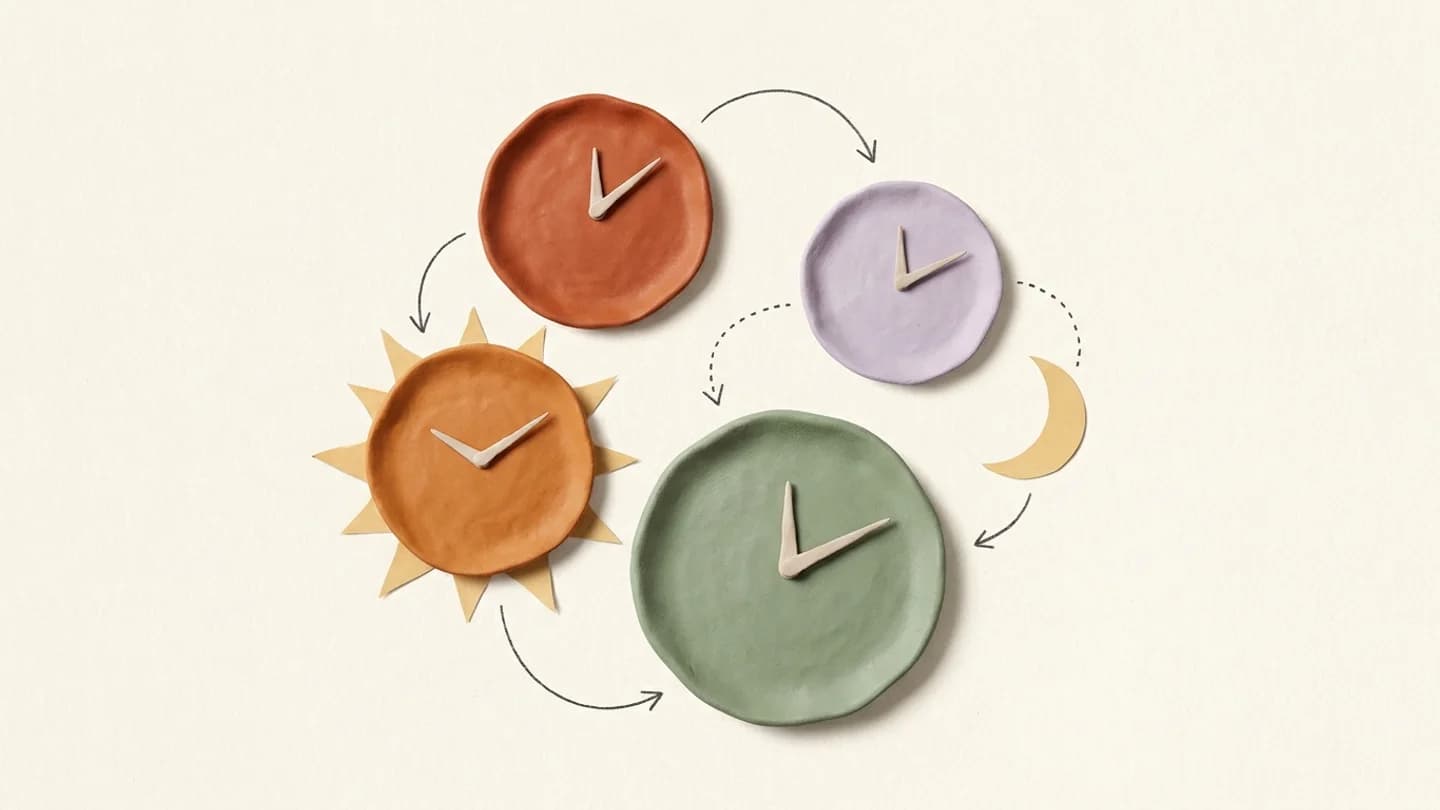
There is no single posting time that works best for every Instagram creator. Pick plausible windows for the audience, test them across comparable content and keep the measurement window consistent.
What to take away
- Use the audience timezone, not an unexplained local time.
- Avoid changing the format and time in the same test.
- Prefer a sustainable schedule over a fragile optimization.
Start with a plausible audience routine
Use what you know about the audience’s location and habits, plus any available account information. An audience spread across several regions may not have one obvious window. Choose a small number of reasonable candidates rather than trying every hour.
Record the timezone explicitly. “Evening” means different things to a creator, an editor and a remote publishing operator. If the audience region changes clocks seasonally, include that in the schedule review.
Keep the test interpretable
Compare similar formats across the selected windows. If all strong concepts publish at one time and all experimental clips at another, the result cannot be attributed to timing. Rotate the format fairly where practical.
Use several observations before changing the entire calendar. A single unusual post can be influenced by its subject, an external event or ordinary variation. The aim is a useful operating pattern, not a claim that the algorithm has been solved.
Measure posts at the same age
Collect results after the same elapsed period for each post. A morning clip that has been live for twelve hours cannot be fairly compared with an evening clip measured immediately after publishing.
- Record account, format and publication timestamp.
- Note the timezone used for scheduling.
- Use a consistent observation window.
- Flag unusual events or publication failures.
- Compare the intended outcome, not whichever metric looks strongest.
Choose a schedule you can maintain
A marginally better window may not be worth a process that routinely misses approvals or requires last-minute work. Scheduling can separate production time from publication time, but only if the approved assets are ready.
Keep reviewing as the audience and content evolve. A result from one season or format is not a permanent rule. Document the current choice and the evidence so a teammate knows why the calendar looks the way it does.
A simple comparison log
Create a log with one row per publication: account, format, topic, scheduled time, actual publication time, timezone, observation timestamp and the chosen outcome metric. For a two-window test, alternate comparable episodes between the windows over the planned period. Note a failed or delayed publication rather than treating it as a valid observation of the original slot.
At the review, summarize the range of results and any obvious differences in content. If one post dominates the outcome, inspect it separately instead of assuming the entire window is superior. If the evidence is inconclusive, retain the schedule that is easier to operate and gather more comparable observations.
Questions, answered
Is there a universal best day for Reels?
This guide does not assume one. Test relevant windows for the creator and compare like-for-like content.
Should I post when the creator is online?
Not necessarily. Base the publishing plan on the audience and the available approved content, while keeping a way to monitor publication problems.