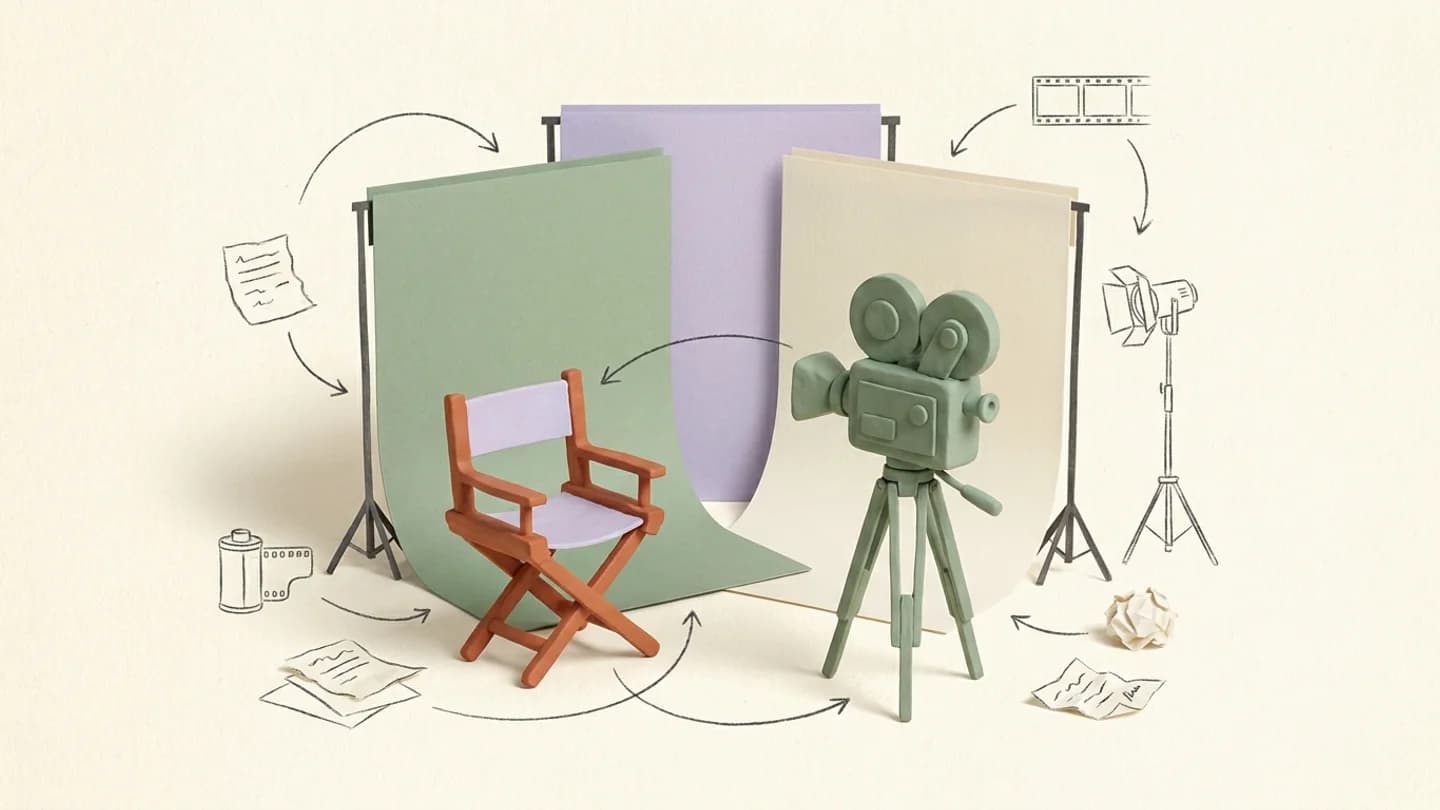
Batch filming works when you prepare the ideas and shot list before the session. Group clips by location and setup, capture clean source footage and leave enough information for editing without another round of questions.
What to take away
- Group by setup rather than final publication order.
- Capture transitions and clean takes.
- Check files before ending the session.
Prepare a shoot sheet
List each concept, opening shot, main action, spoken points and any props. Keep the sheet short enough to use on location. A creator should not have to read a long essay between takes to understand the next clip.
Confirm which concepts are approved and which are experiments. Leave room to skip an idea that does not feel natural on camera. A filming plan should reduce uncertainty without turning the session into a rigid performance the creator dislikes.
Group the physical work
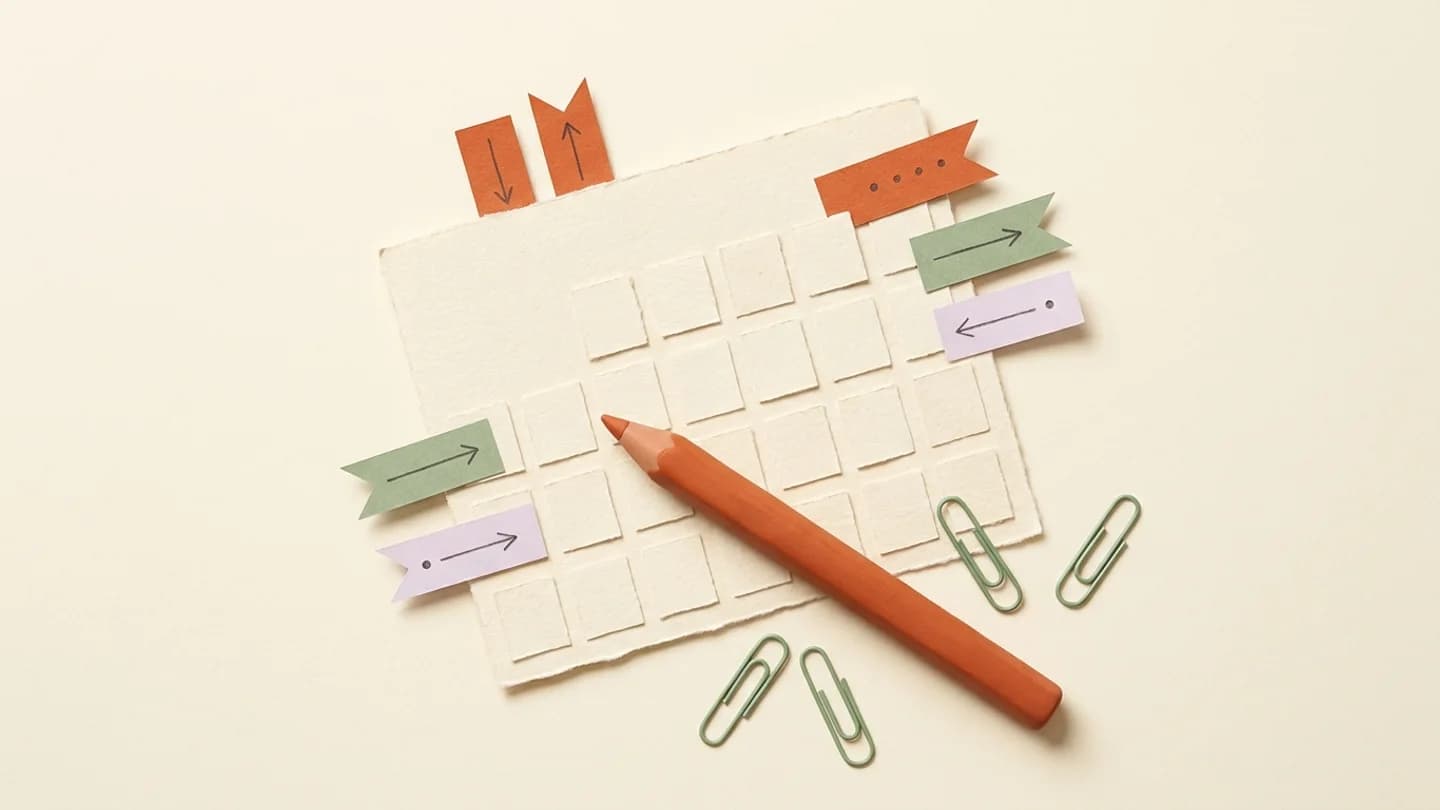
Film clips using the same location, lighting and outfit together even if they will publish weeks apart. This reduces repeated setup. Track the intended clip in a slate, spoken note or file record so the editor can still identify the material later.
Schedule a break before quality drops. A tired creator may need more takes, and the apparent gain from a longer session can disappear in editing. The useful output is approved, usable footage, not the number of files on the card.
Capture editing options
Take a few establishing shots, close-ups and transitions while the scene is ready. Record a clean beginning and ending rather than stopping the camera immediately after the line. These small habits give the editor more room to make a natural cut.
- Check framing and sound before the first full take.
- Keep distracting information out of the background.
- Record a clean version without unnecessary overlays.
- Capture a cover option if the workflow needs one.
- Note any take the creator does not want used.
Finish with an asset handover
Before leaving, verify that the files open and that the important audio is audible. Back up the source files through the agreed storage process. Separate selected takes from material that needs review instead of expecting the editor to infer the choice.
The handover should name the shoot, creator and planned concepts. Add brief notes about missing shots or changed ideas. This is the difference between a productive filming day and a folder that takes another day to decode.
A sample 90-minute session
As a planning example, reserve the first fifteen minutes for setup and a test recording, the next forty minutes for two or three main concepts, twenty minutes for supporting shots and fifteen minutes for checking files and recording anything missing. This is a starting worksheet, not a production benchmark. Dialogue-heavy clips or complex locations may need much more time.
If the first concept takes longer than expected, drop a lower-priority idea rather than rushing every remaining take. Mark what was completed on the shoot sheet before the session ends. That record tells the editor which briefs have footage and tells the manager which calendar slots still need material.
Questions, answered
How many Reels should one session produce?
Choose a target based on concept complexity and the creator’s energy. Usable quality matters more than a fixed number.
Should filming follow the calendar order?
Usually it is more efficient to group by physical setup while keeping clear records of each clip’s intended use.