Repurposing Reel footage means using approved source material to make a genuinely different edit or format. Keep the original files, choose a new purpose for each version and avoid treating repeated uploads as a content strategy.
What to take away
- Save a clean master and organize source footage.
- Give every derivative edit its own premise.
- Check permissions and context before reusing old material.
Start with a reusable shoot
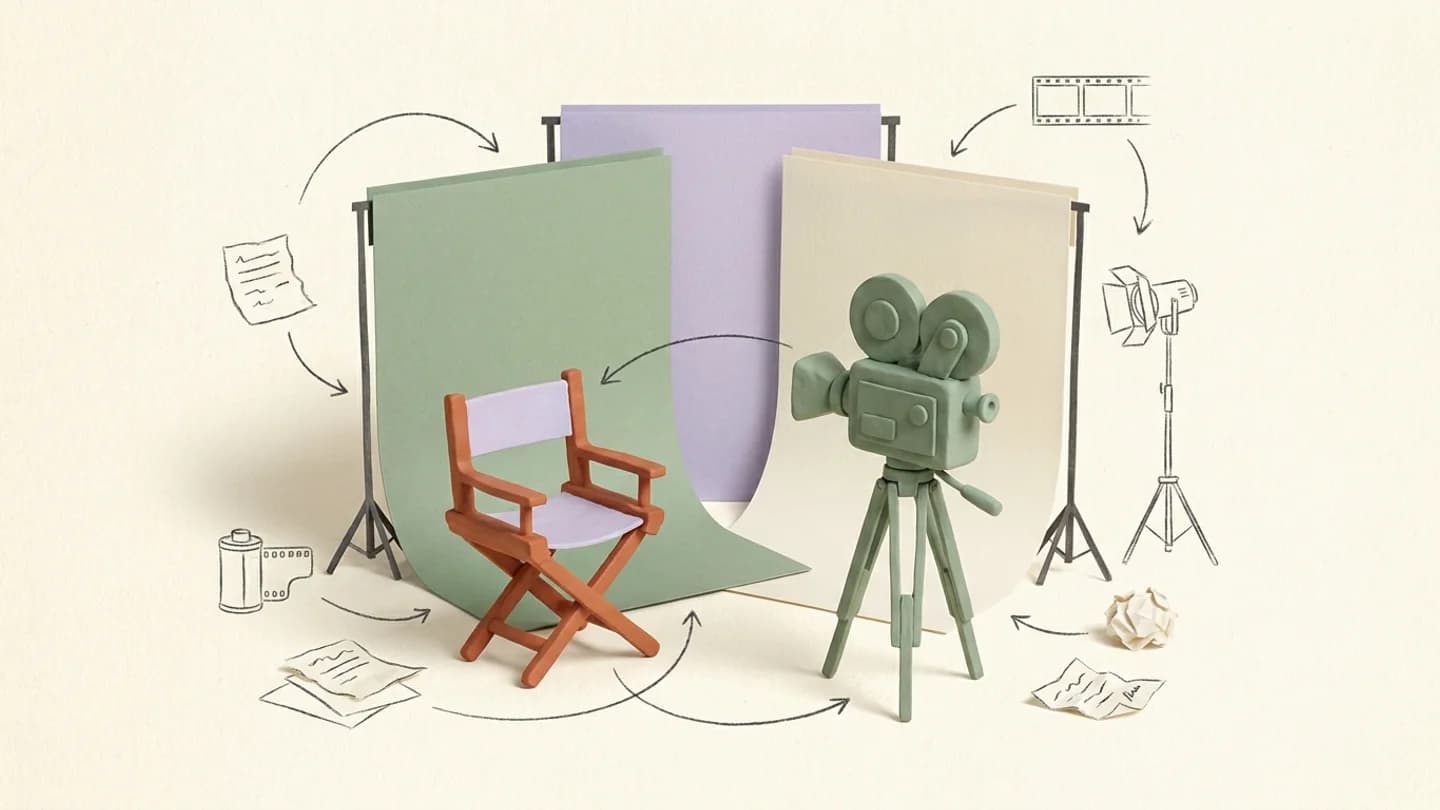
Capture a few clean establishing shots, close-ups and transitions alongside the main take. These give an editor room to build another version without asking the creator to repeat the entire session. Keep the original audio and a clean export when the workflow allows it.
Organize the shoot by creator, date and subject. A folder called “misc content” is difficult to search when the roster grows. Record any restrictions on use, especially when footage includes another person, a location or a time-specific statement.
Change the purpose, not just the crop
One shoot can support a short tip, a behind-the-scenes explanation and a personal reflection. Those are different reasons to watch. Merely trimming the same opening by a second may not create a meaningful new post.
Write a one-sentence premise for each derivative edit. If the premises are identical, consider whether another upload is useful. Reuse should reduce production waste while preserving something worthwhile for the audience.
Create a simple version map
Link every edited asset back to the source shoot and record where it was used. This helps prevent two operators from unknowingly scheduling near-identical clips in the same week. It also makes it easier to honor a request to stop using a particular asset.
- Source: creator, shoot date and original files.
- Version: format, premise and edit number.
- Approval: who reviewed the final export.
- Publication: account, planned date and confirmed result.
- Restrictions: any limits on future reuse.
Recheck context before scheduling
Old footage may contain seasonal references, outdated statements or products the creator no longer uses. A caption can sometimes provide context, but it should not disguise an inaccurate claim. Reconfirm the premise when reusing a clip months later.
Audio and other third-party material need their own usage consideration. A clean master is useful because a particular sound or in-app feature may not be appropriate for every publishing workflow. Do not assume an earlier upload grants unlimited rights to every element.
Measure the value of the new version
Compare versions based on their intended purpose and a consistent observation window. A behind-the-scenes edit may generate more meaningful comments, while a short tip may be saved more often. That does not necessarily make one universally better.
Track production time as well as performance. Repurposing is valuable when it creates useful content with less repeated effort. If every derivative takes as long as a new shoot and adds little for the audience, improve the source planning rather than forcing more variations.
Questions, answered
Can I reuse the same footage for multiple posts?
Yes, when you have the rights and the new edits have a clear purpose. Recheck approval, context and the intended account.
Is repurposing the same as uploading duplicates?
No. Repurposing creates a useful new presentation or angle; duplicate uploading simply repeats the same material.